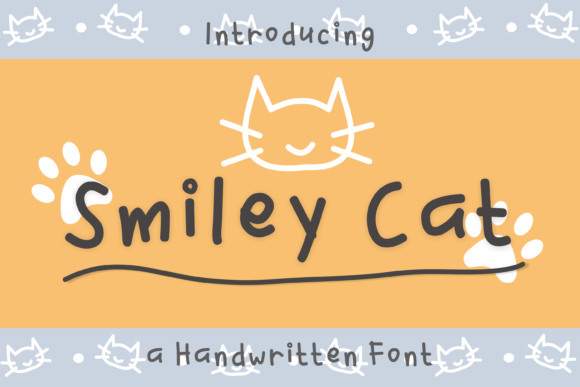
Smiley Cat: A Friendly Font for Your Brand's Voice
As I sat down to redesign the packaging for my small bakery, I knew I needed a font that would make our brand stand out. The right typeface can transform a simple label into a memorable and inviting experience. Enter Smiley Cat, a charming and versatile handwritten font that has quickly become a favorite in my design toolkit.
A Fresh Look for Our Bakery Packaging
When I first saw Smiley Cat, its natural and unique style immediately caught my eye. It’s not just another script font; it has a personality that feels both friendly and professional. For our bakery, this meant that our product labels could now convey a sense of warmth and care, which is exactly what we want our customers to feel.
Using Smiley Cat on our new packaging, I noticed how it effortlessly added a personal touch. The font’s handwritten style made our labels look more like a note from a friend, rather than a mass-produced sticker. This little detail goes a long way in making our products feel special and handcrafted.
From Labels to Logos: Versatility at Its Best
Beyond packaging, Smiley Cat shines in logo design. Its unique character makes it perfect for creating a memorable and distinct logo. For instance, I used it to refresh the logo of a local candle seller. The result was a logo that felt both elegant and approachable, perfectly capturing the essence of their brand.
The font also works well for short phrases and headlines. Whether it’s a tagline on a business card or a title on a flyer, Smiley Cat adds a touch of creativity without overwhelming the reader. This balance is crucial for maintaining a professional yet welcoming image.
Consistency Across All Platforms
One of the key benefits of using Smiley Cat is its consistency across various platforms. From printed materials like menus and thank-you cards to digital assets like website banners and social media graphics, the font maintains its charm and readability. This consistency helps in building a strong and recognizable brand identity.
For example, I recently updated the menu for a café. The handwritten style of Smiley Cat made the menu feel more inviting, almost as if it was written by hand each day. This small change had a big impact, making the café’s offerings feel more personal and appealing.
Readability and Design Tips
While Smiley Cat is highly versatile, it’s important to use it judiciously. For small labels and mobile screens, ensure the font size is large enough to be easily readable. In these cases, you might consider using Smiley Cat for decorative accents or titles, while a clean sans serif font can handle the detailed information.
When it comes to font pairing, Smiley Cat works beautifully with a clean sans serif or an elegant serif font. This combination provides a good balance between creativity and professionalism. For instance, I paired Smiley Cat with a modern sans serif font for a skincare label, resulting in a design that was both stylish and easy to read.
Final Considerations Before You Buy
Before incorporating Smiley Cat into your branding, take a moment to check the included styles, file formats, and any additional features like alternates and ligatures. These can add extra flair to your designs. Also, ensure that the font supports the languages you need, especially if you have a global audience.
Lastly, always review the commercial licensing terms. This is particularly important if you plan to use the font on products, packaging, or in client work. By doing so, you can ensure that you are using the font legally and ethically, which is essential for maintaining a trustworthy and professional brand.
In conclusion, Smiley Cat is a fantastic choice for any small business looking to add a personal and creative touch to their branding. Its natural and unique style, combined with its versatility and readability, make it a valuable asset in any designer’s toolkit. Give it a try and see how it can transform your brand’s visual identity.